

Building Networks, Sharing Responsibility: The NOA Final European Conference
09/06/2026
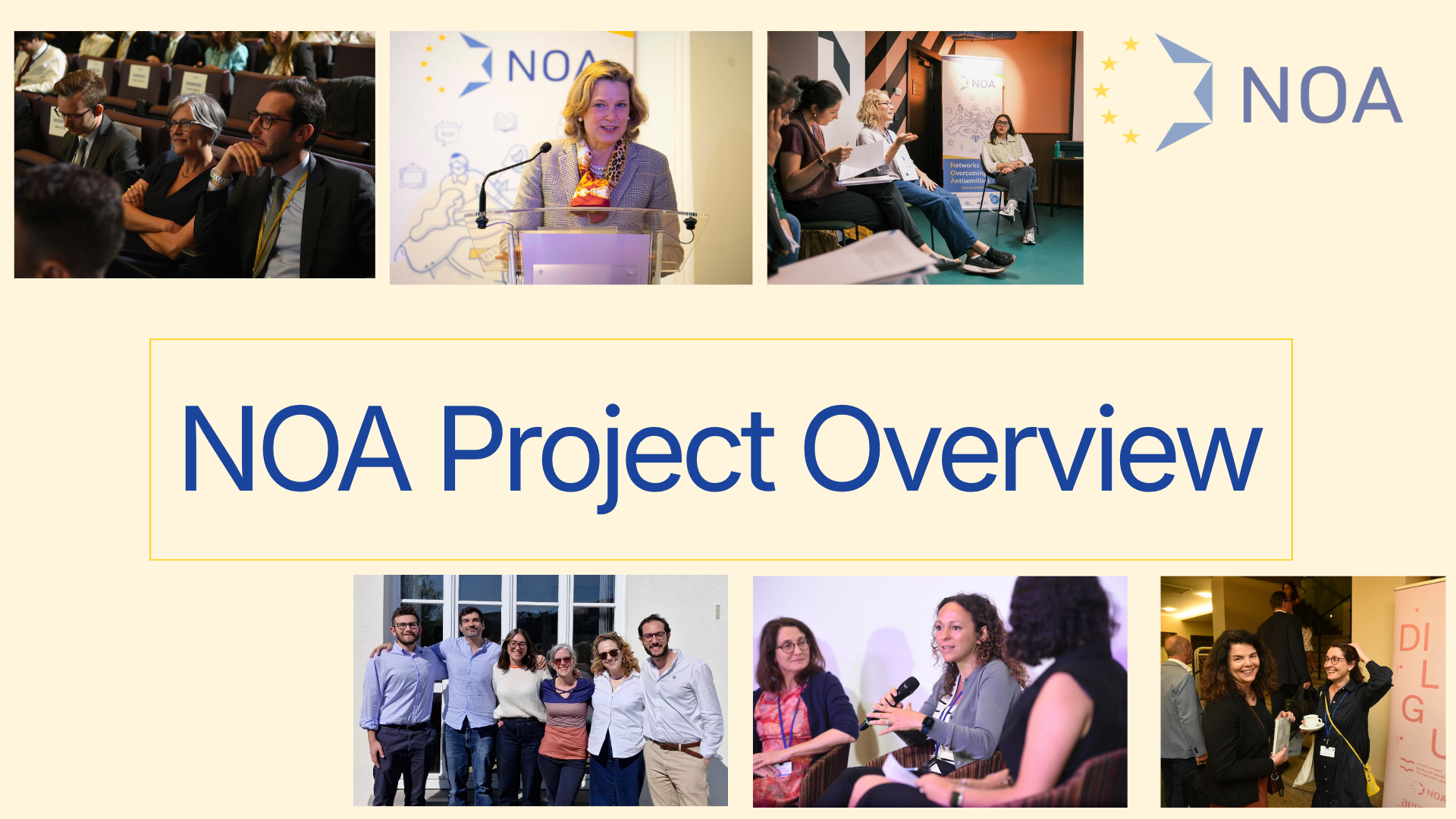
Over 100 participants gathered in Brussels for a two-day closing conference of the EU-funded NOA Project reflecting on six years of work to combat antisemitism and foster Jewish life across Europe, and looking ahead to what comes next.
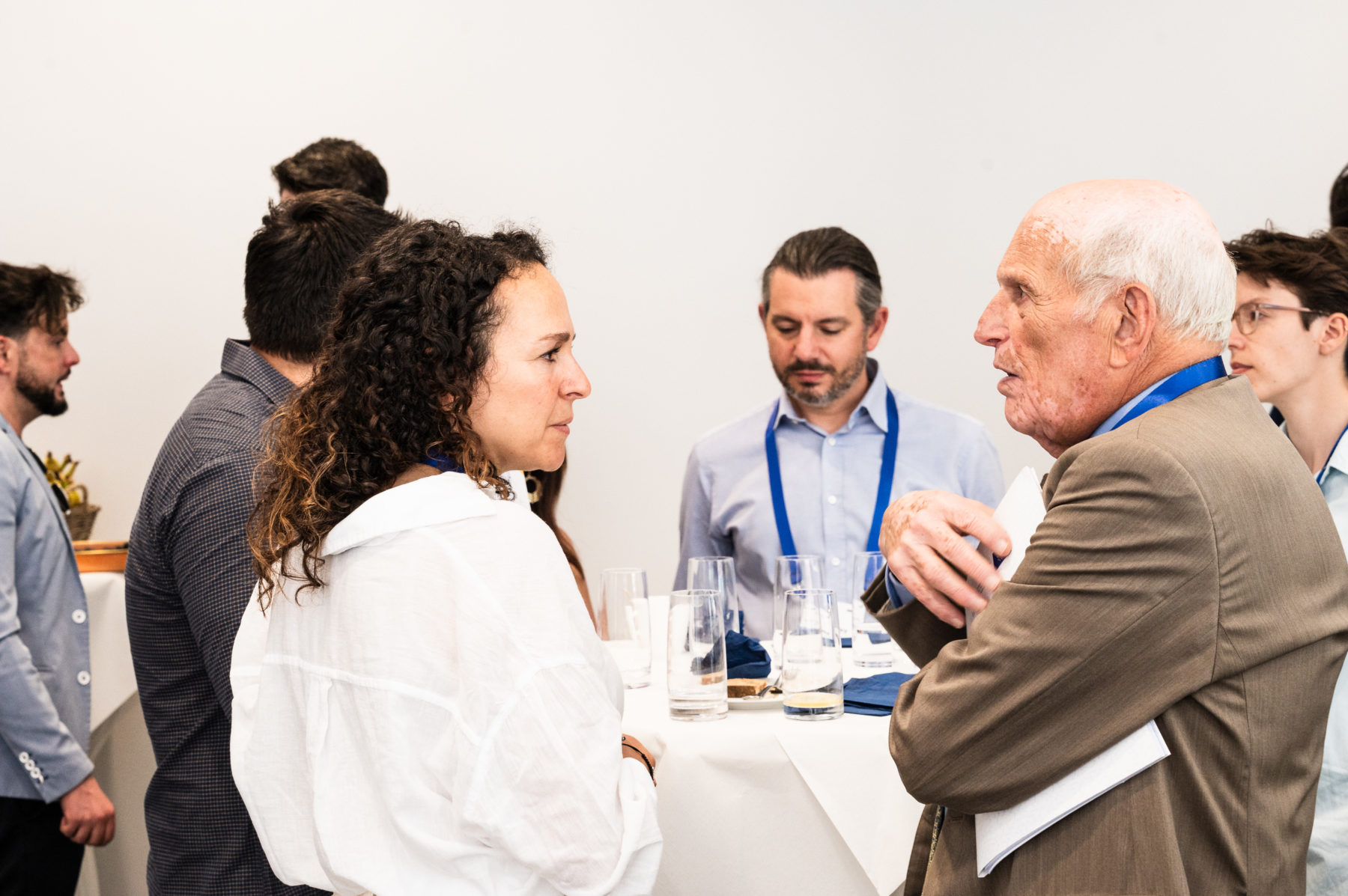
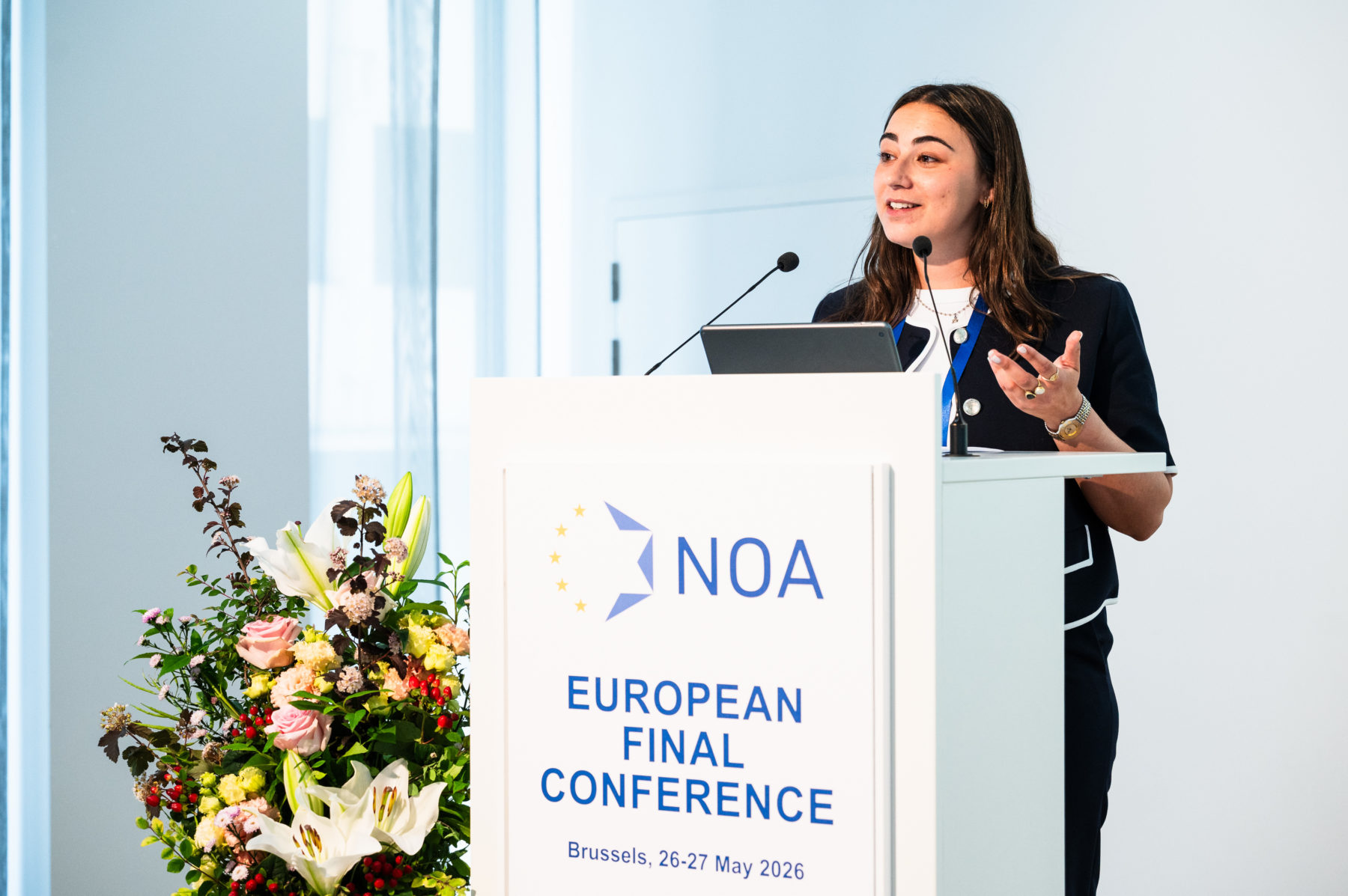
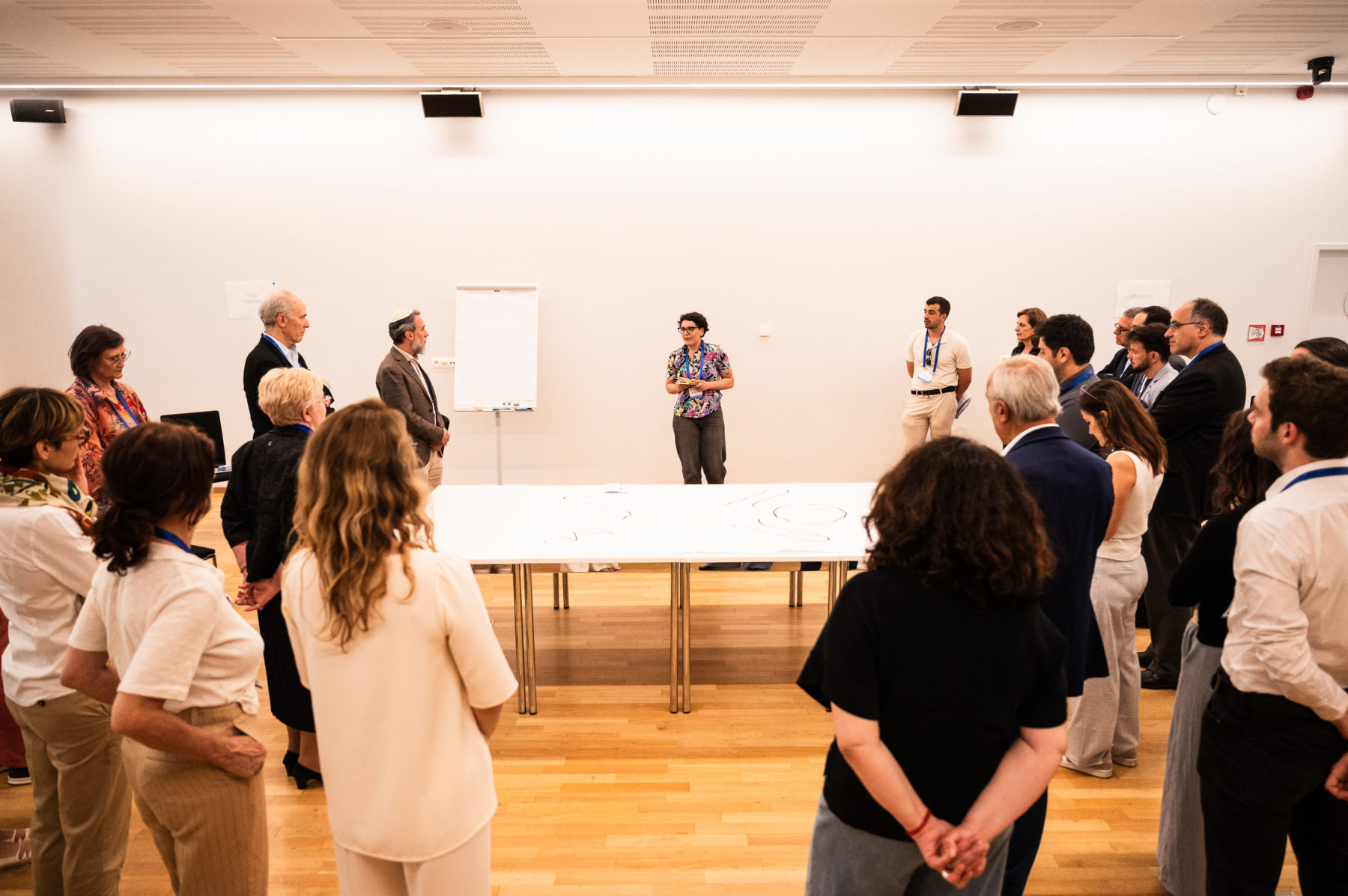
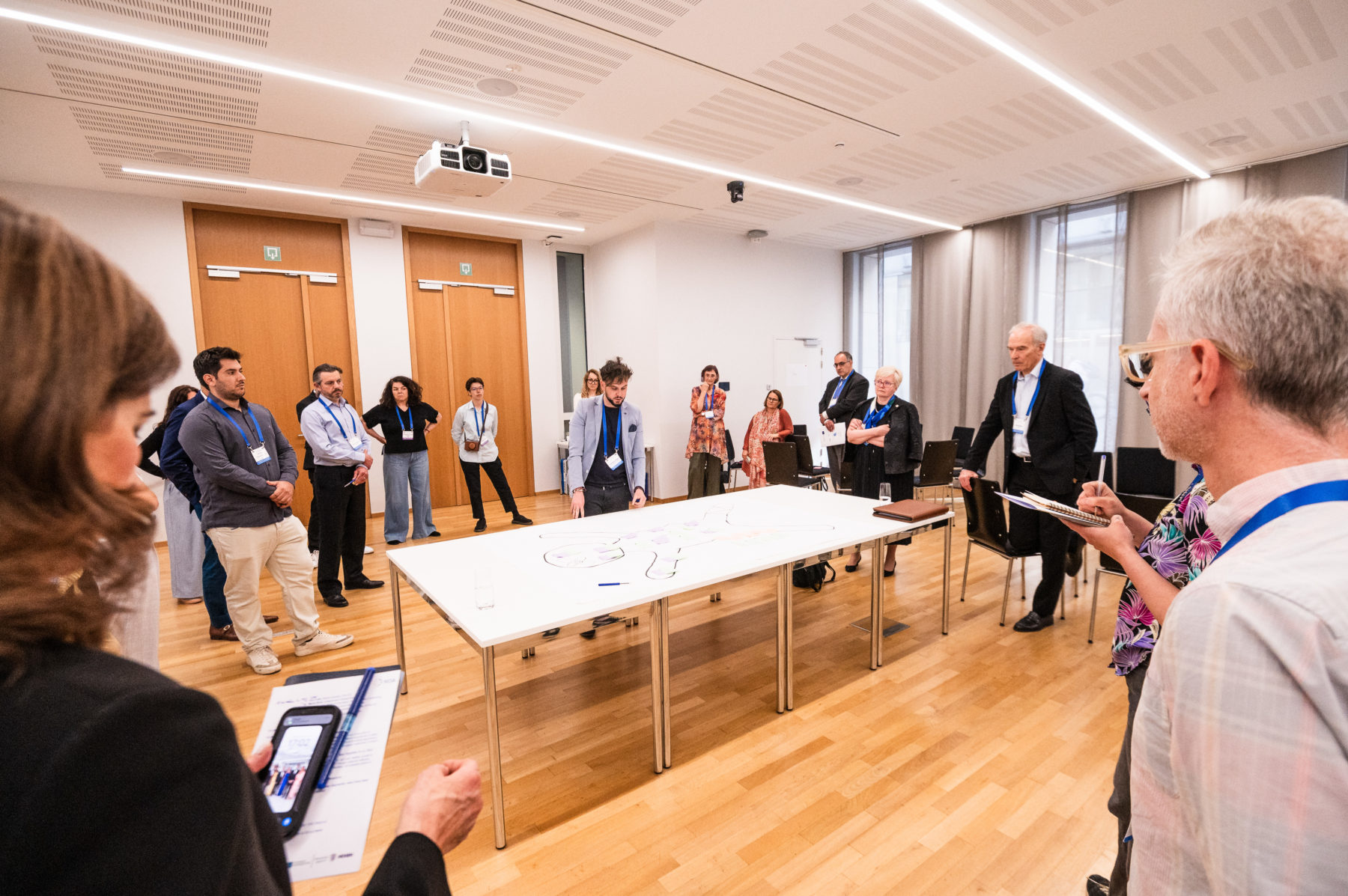
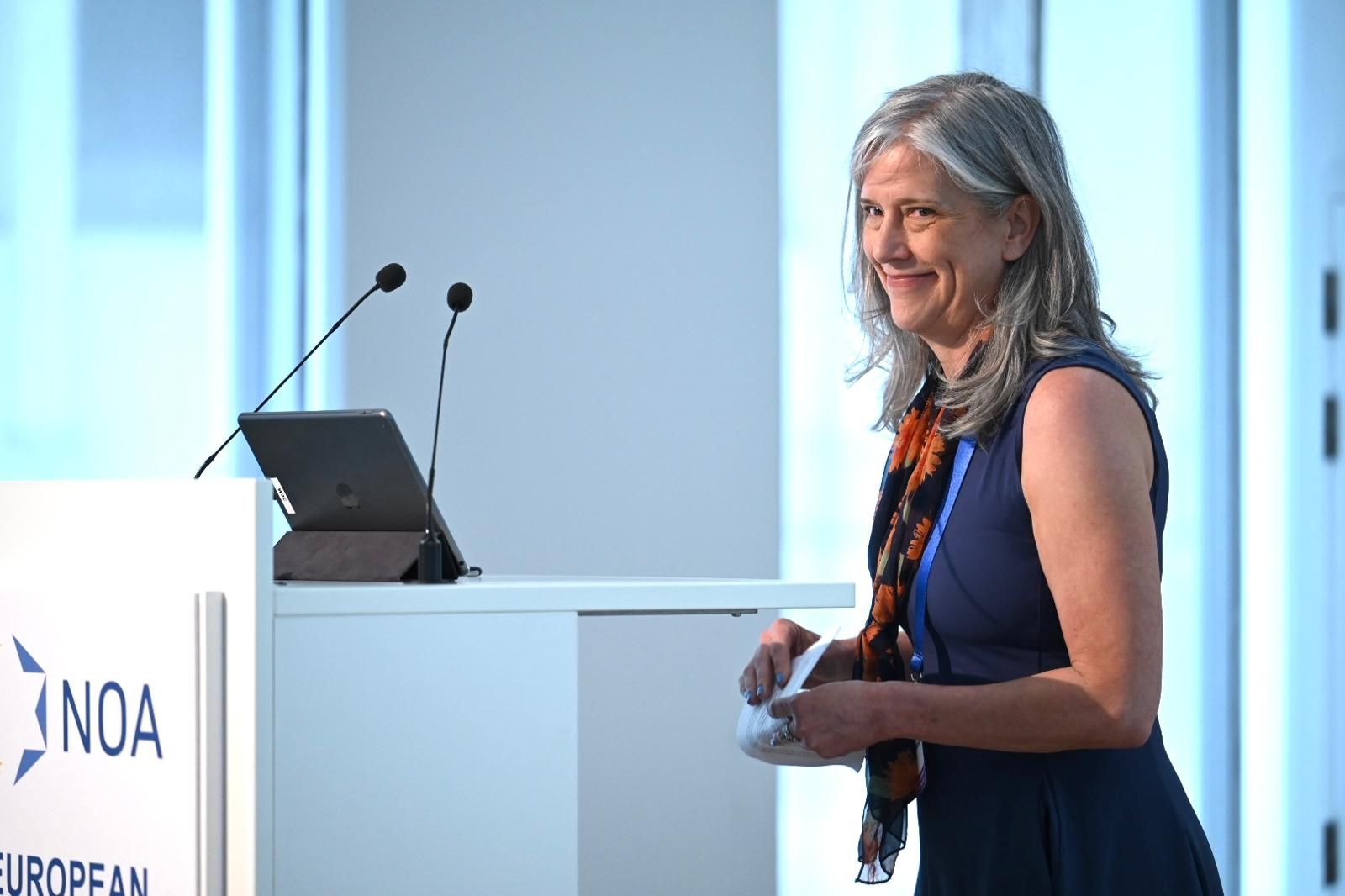
On 26 and 27 May 2026, CEJI – A Jewish Contribution to an Inclusive Europe, together with project partners WJC, AEPJ and EUJS, brought together Jewish communities, civil society organisations, public authorities, researchers and municipal representatives for the Final European Conference of the NOA Project (Networks Overcoming Antisemitism) in Brussels.
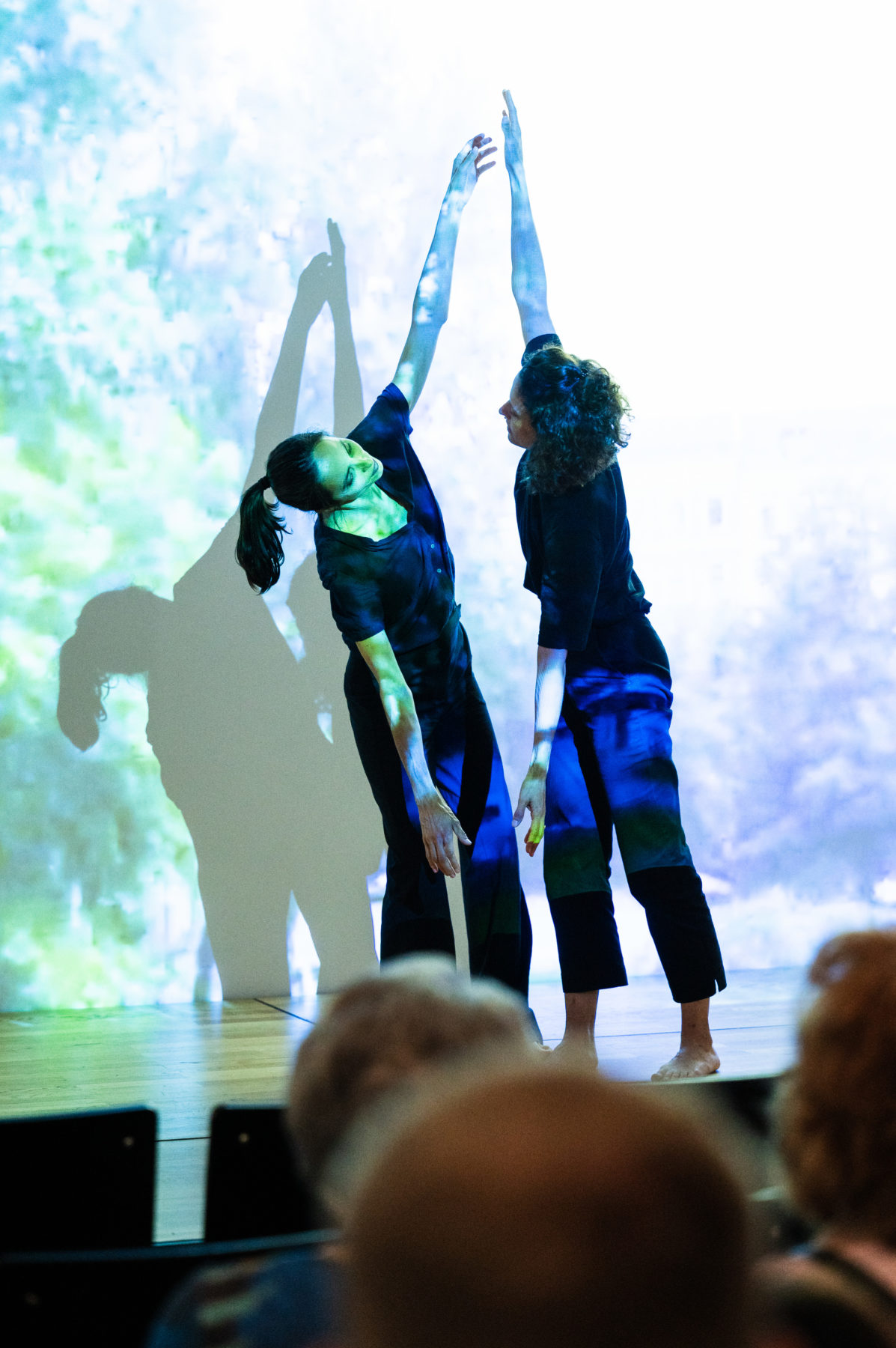
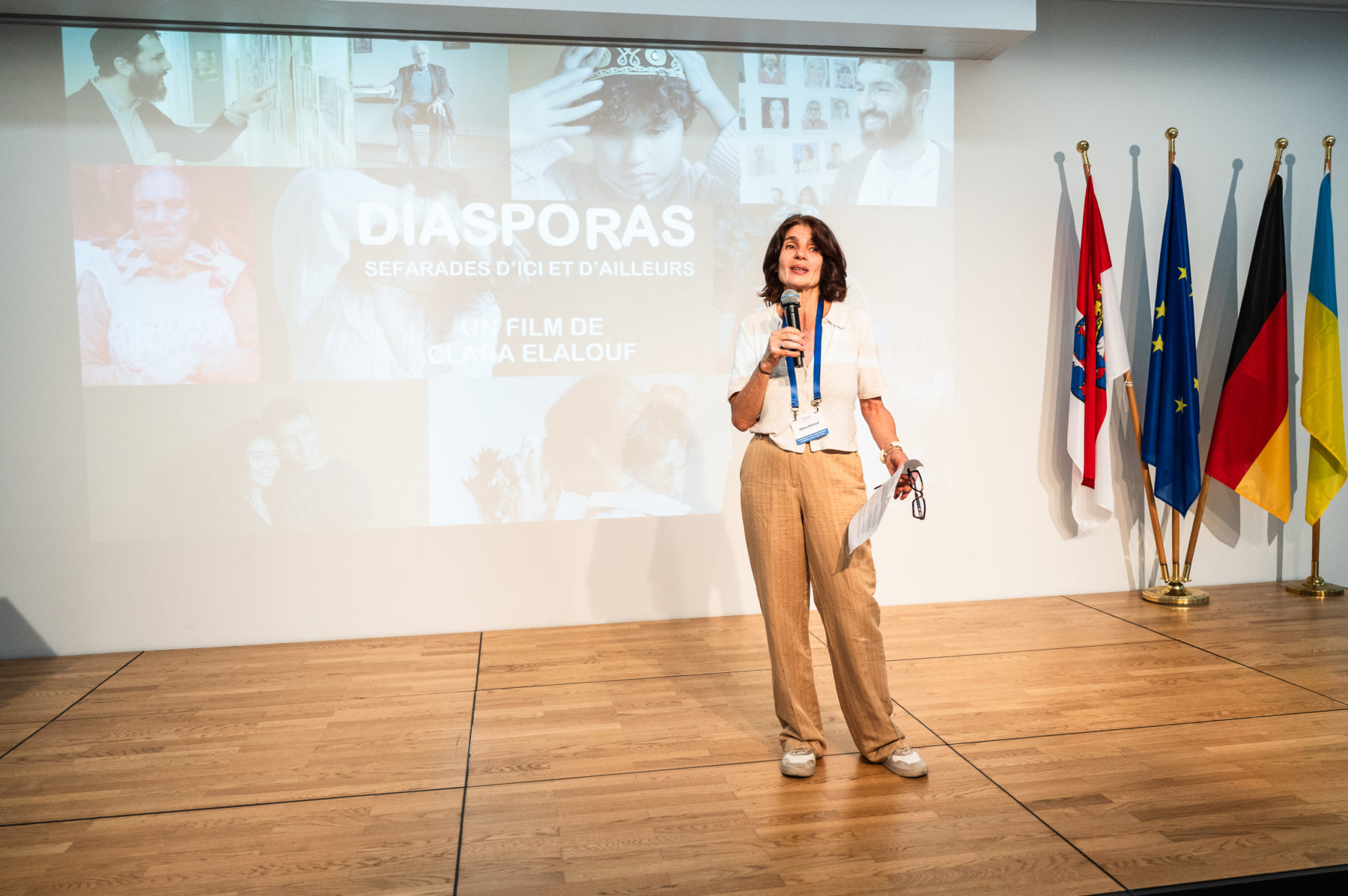
The lunch-to-lunch event included panel discussions, parallel workshops, a film screening, and a networking dinner with Sephardic music and closing with an artistic performance by LABA Barcelona.
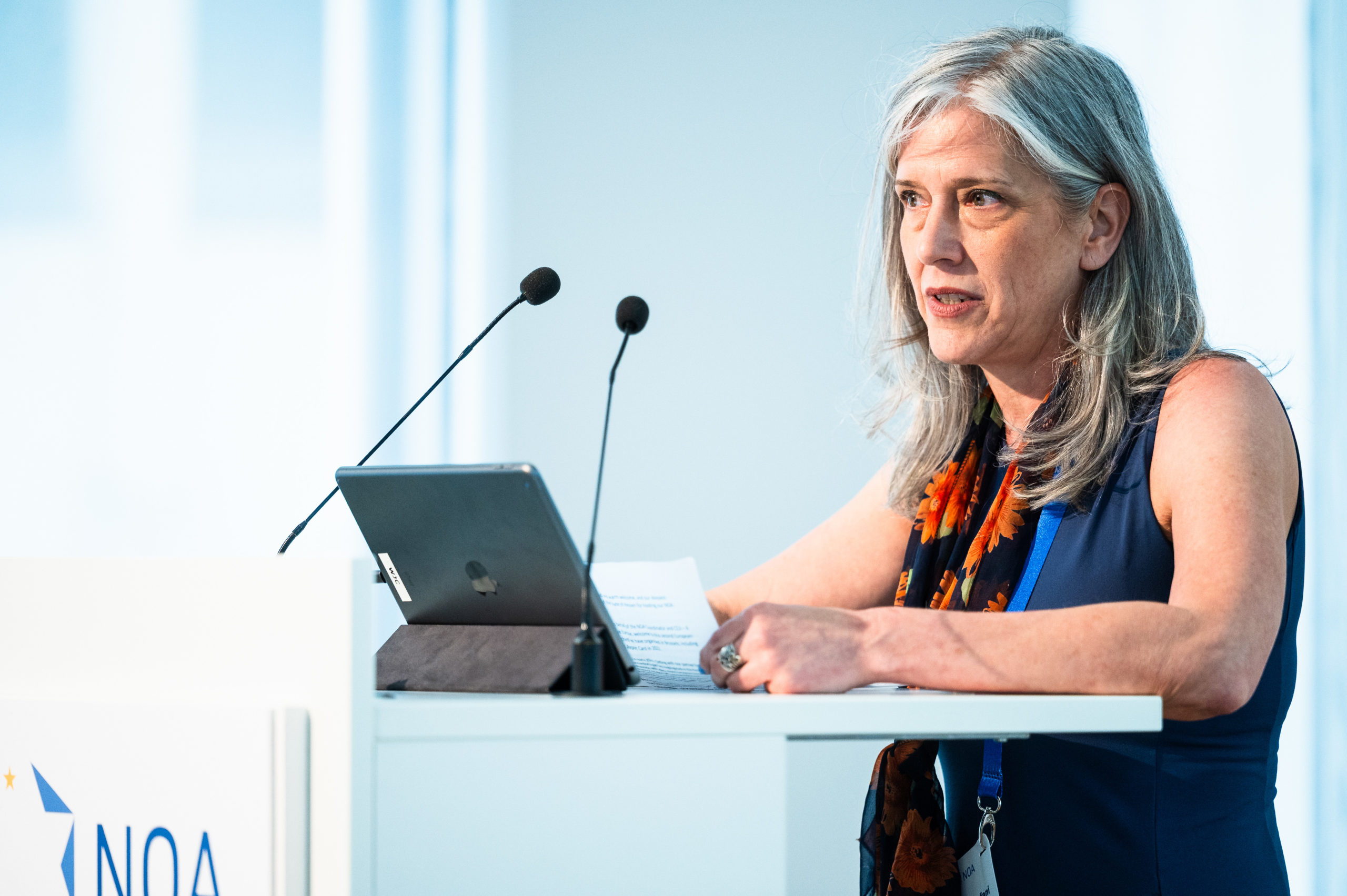
To deconstruct antisemitism, we must also construct something new, moving forward despite difficulties beyond our control.
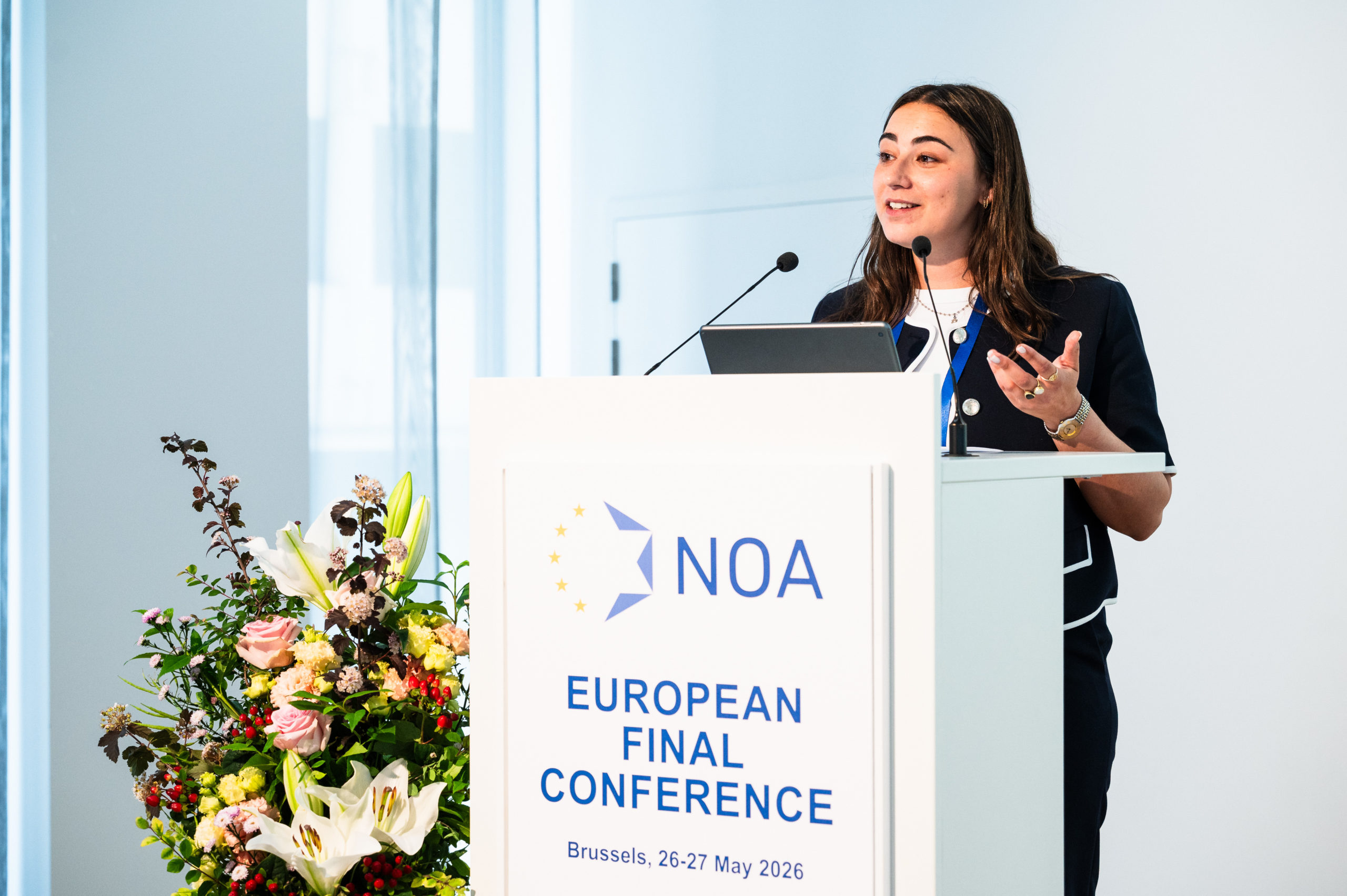
Bringing people together to discuss antisemitism and Jewish life is never a purely technical exercise. It is about the kind of societies we want to build: societies where diversity is recognised as a strength and where every community can live openly, safely, and with dignity.
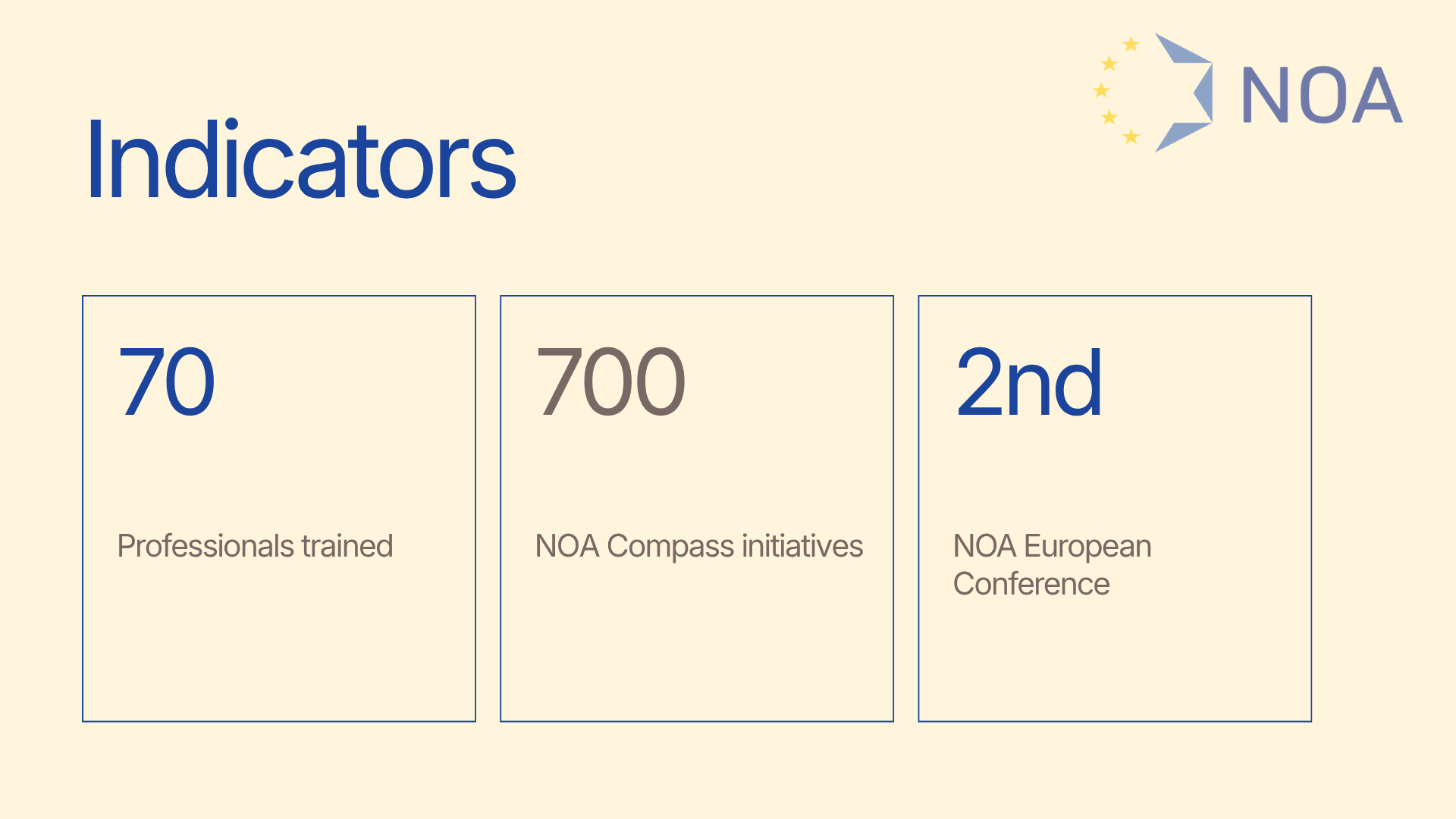
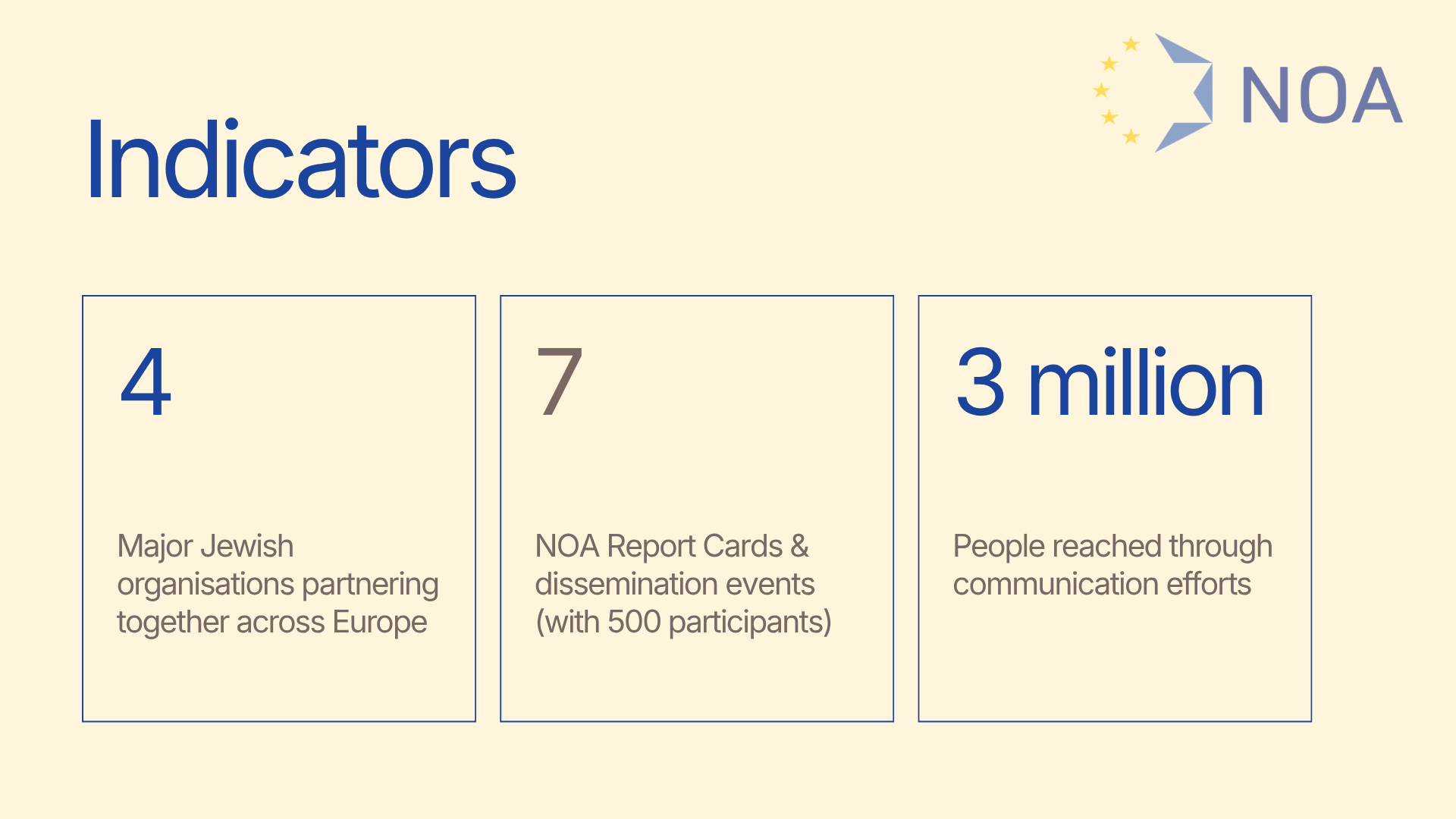
Six years in numbers
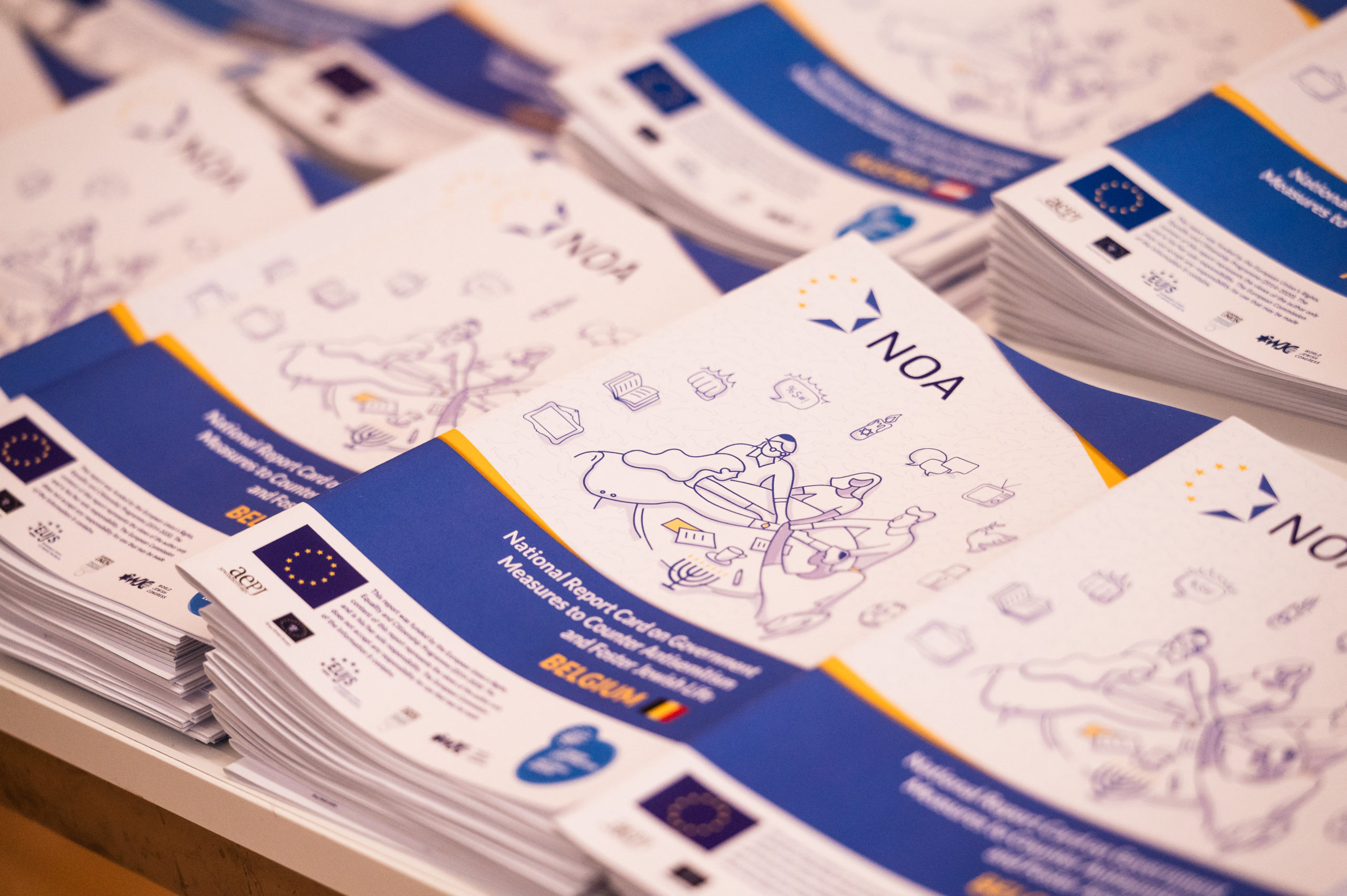
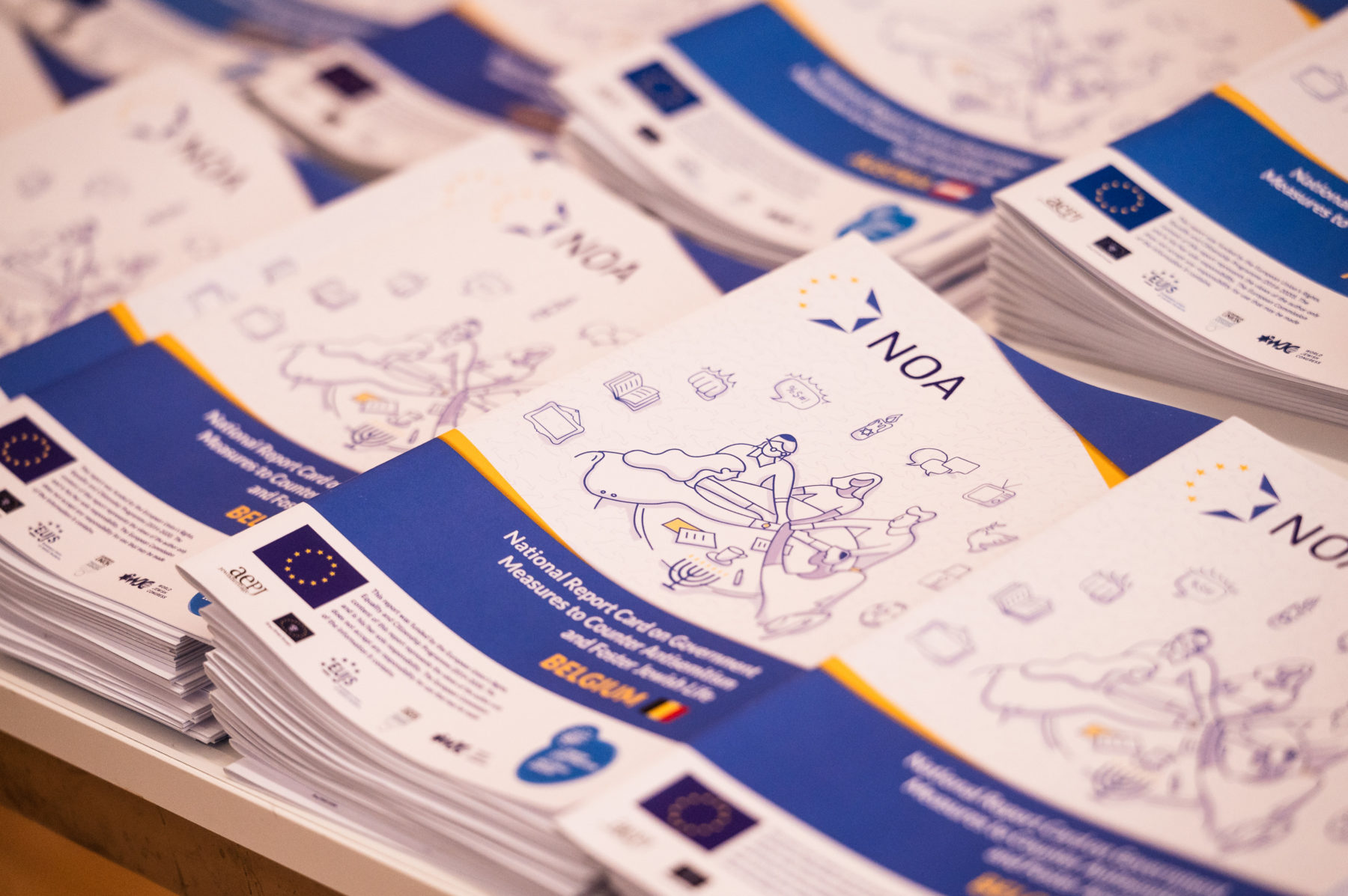
Since its launch in 2019, NOA has assessed how EU member states address antisemitism through National Report Cards across seven countries (Austria, Belgium, Estonia, Hungary, Italy, the Netherlands and Spain) across eleven policy fields.
From data to policy: what the Report Cards achieved
The NOA National Report Cards were designed not just as snapshots, but as frameworks for dialogue, policy follow-up and accountability. Across multiple countries, their impact has become increasingly visible.
In Belgium, Report Card findings contributed to renewed funding for organisations addressing antisemitism, the re-establishment of a Federal Coordination Mechanism, and strengthened Holocaust education structures in schools. In Italy, recommendations in the area of sport policy informed system-wide commitments involving the entire Italian sports ecosystem with recent commitments explicitly including the interruption of sporting events in cases of antisemitic chants or acts. In Spain, the Report Card represented a first in itself: for the first time, a wide range of actors across education, culture, hate speech and youth were brought together within a shared analytical framework with antisemitism formally recognised within the national action plan on racism.
Voices from the conference
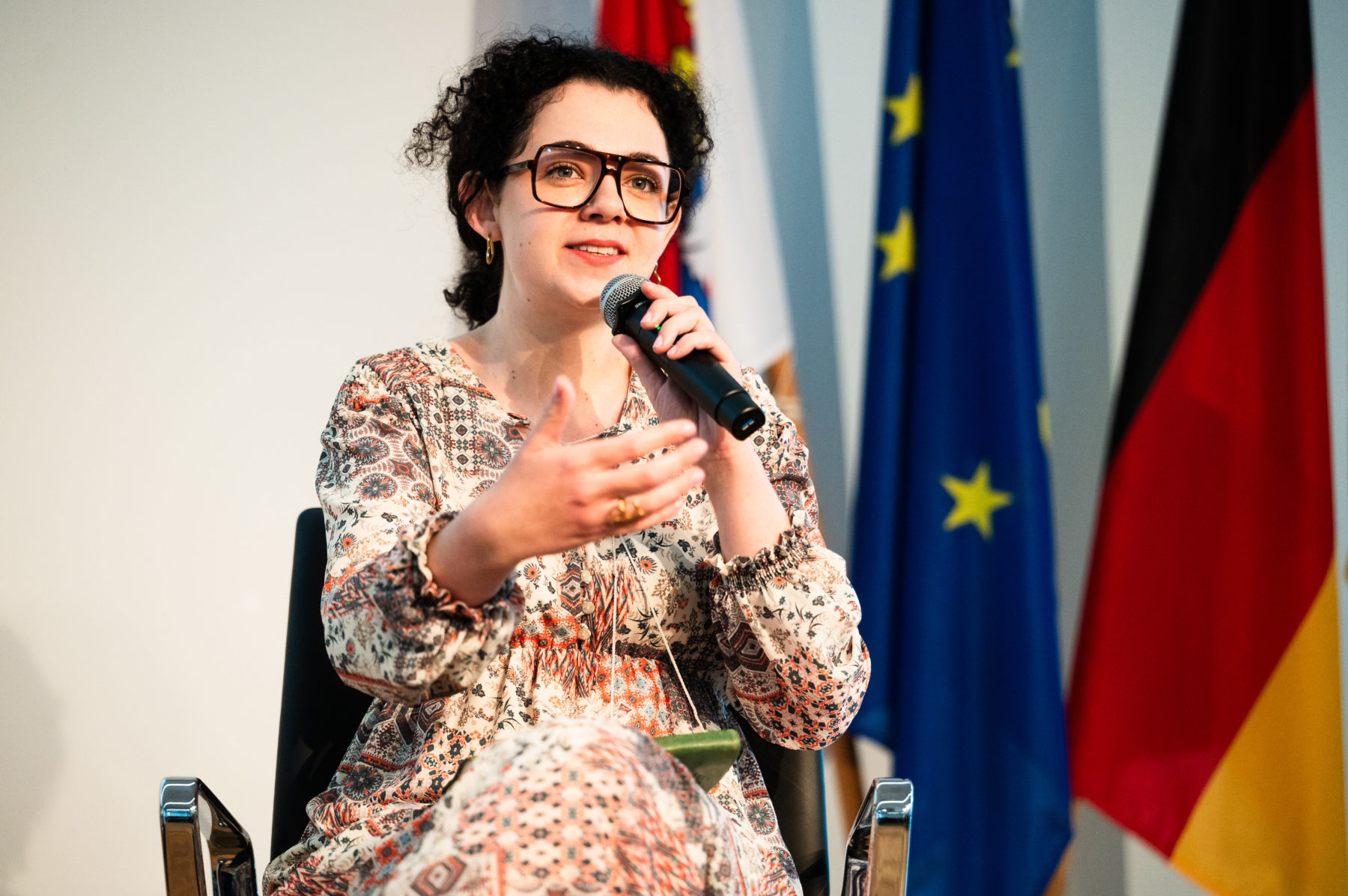
Participants brought perspectives from communities, research and municipal governance. Several themes emerged: the importance of youth engagement and capacity-building; the continued high underreporting of hate crimes; the need for more inclusive and well-resourced communities; and the value of non-formal education as a point of entry into Jewish life.
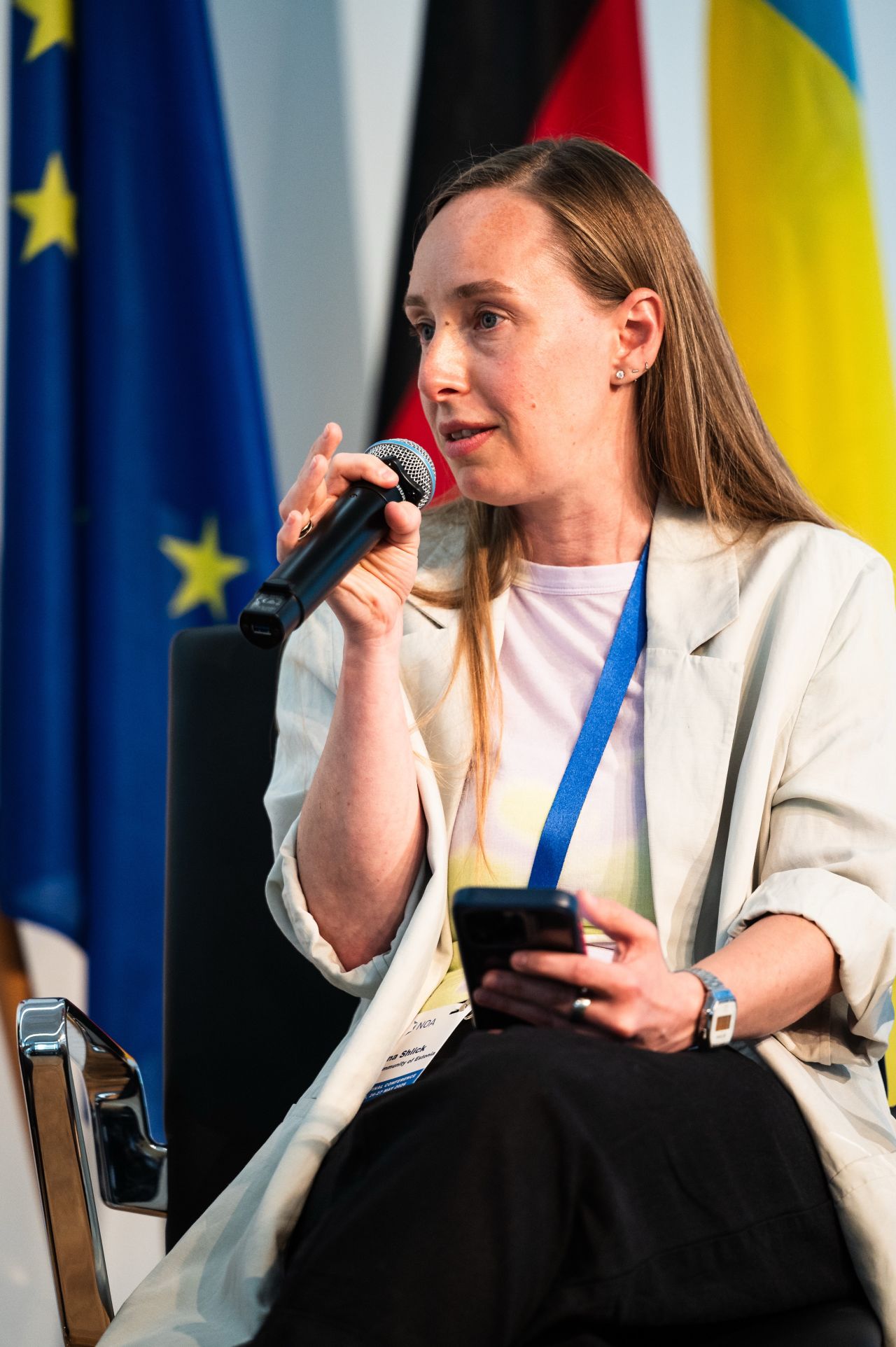
NOA is a truly powerful tool for communities: how to plan strategic development, to involve young people, and to map where we are going.
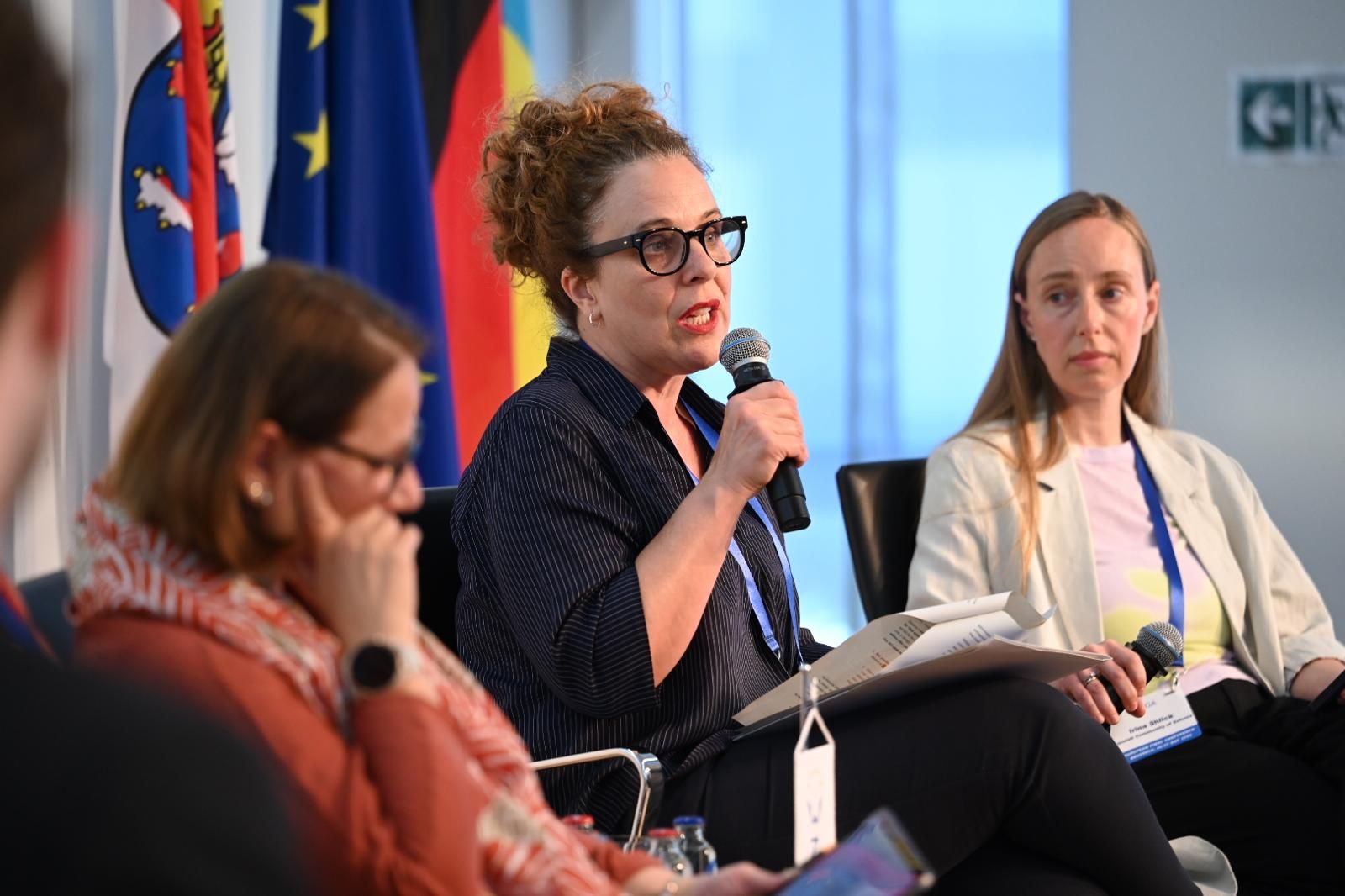
The Report Cards provide a standardised methodology and a transnational framework that fosters mutual learning to replicate successful education policies.
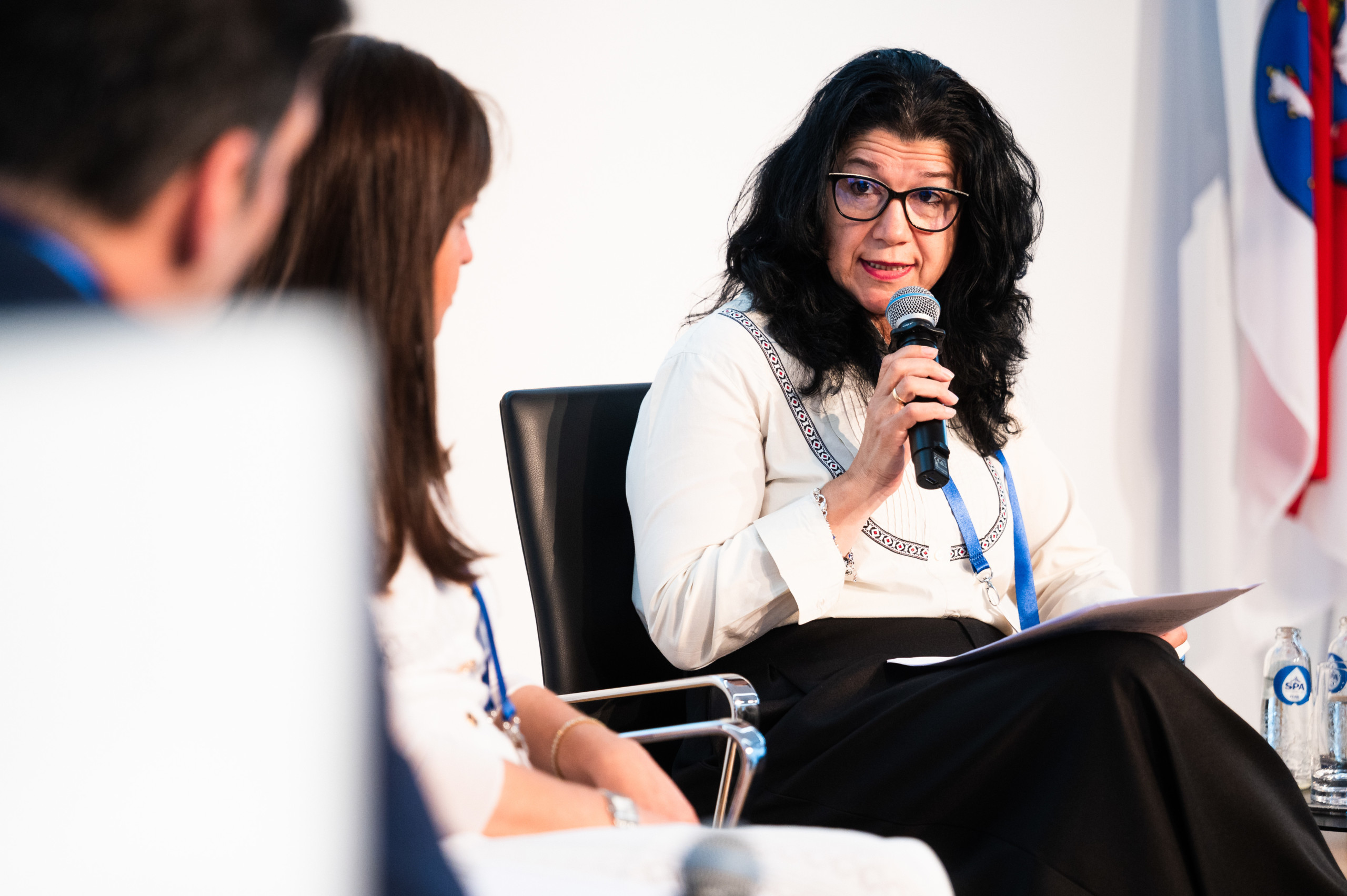
We believe heritage should be shared. Restoring historic urban spaces and recognising Jewish heritage means building a more open city.
NOA means movement forward
Throughout the conference, participants were invited to share their ideas for NOA’s future. The project has built something real, and the challenge now is to expand the circle bringing in new actors, strengthening connections and the work already underway.
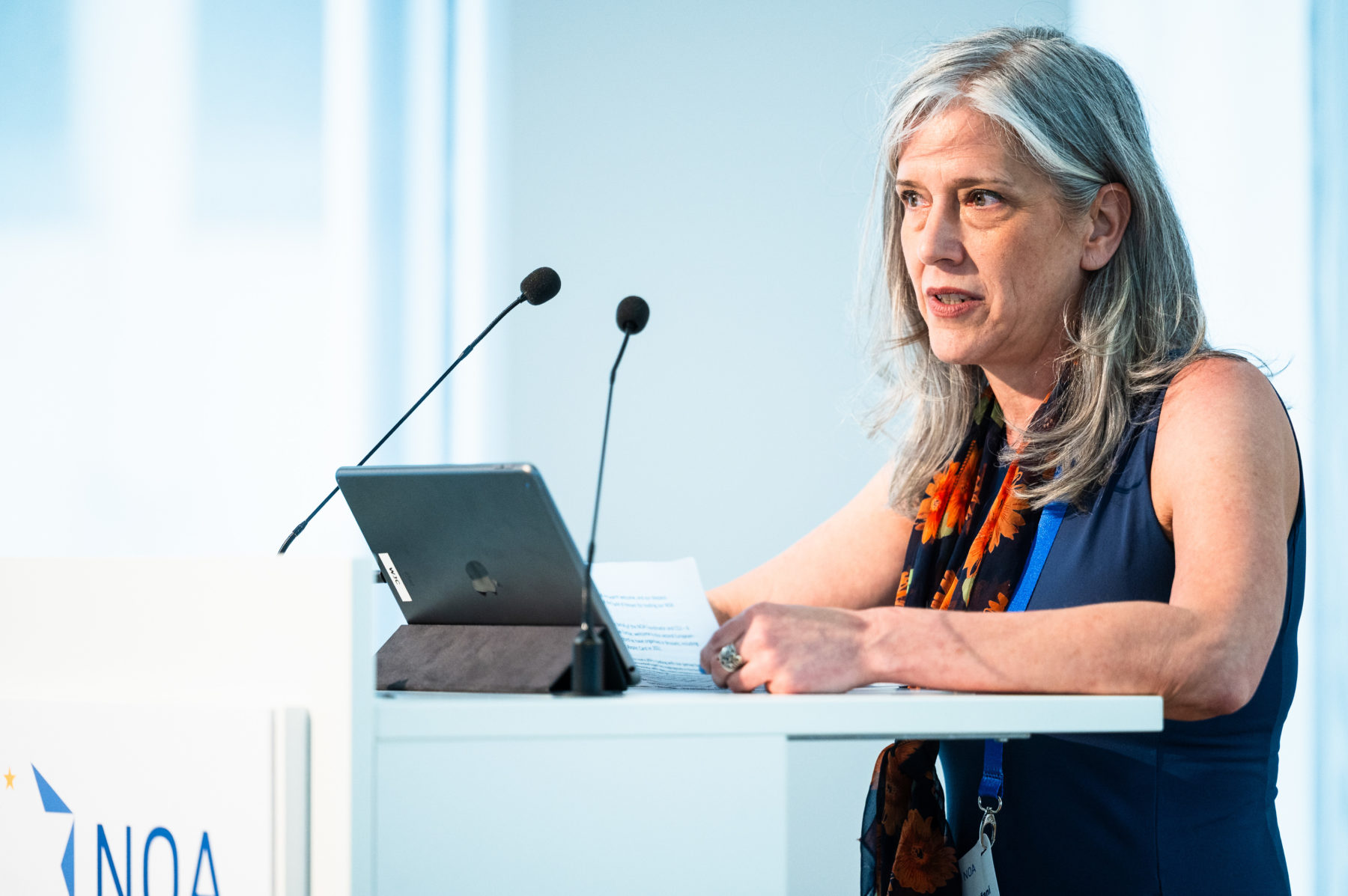
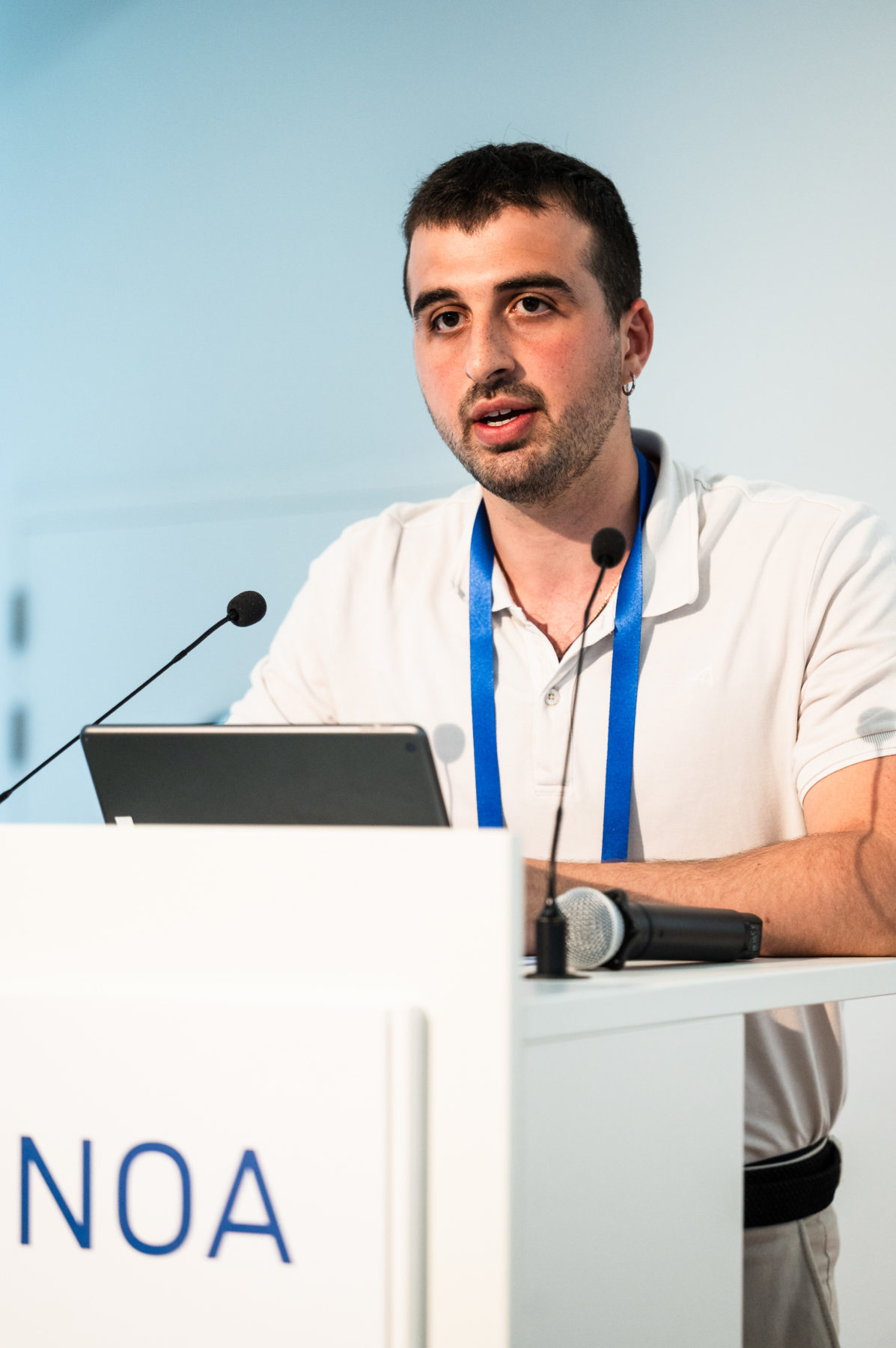
Involving young Jews in decision-making processes and public initiatives is essential. Hanna Veiler, President of the European Union of Jewish Students, highlighted the active engagement of young Jewish people, particularly in areas such as urban planning and civic participation. She emphasised that, regardless of the societal circumstances, young Jews have consistently been at the forefront of efforts to promote social cohesion, advance justice, and build bridges between communities.
David Benatar from the Spanish Union of Jewish students highlighted the need for greater resources and training. John Malkinson of the World Jewish Congress emphasised that the project has helped create bridges between local authorities and Jewish communities that did not previously exist. Speakers also pointed to the importance of creating more entry points into Jewish cultural life including cultural events, community spaces, and non-formal learning environments as a parallel strategy alongside policy advocacy.
As NOA Project Coordinator Estelle Cincinatis reflected: “NOA has not only been about producing frameworks and tools, but also about shaping new ways of connecting policy, education, civil society and public responsibility.” The networks built through NOA across institutions, communities and countries represent an infrastructure for the work that continues beyond this project cycle.
We have the power to imagine and realise different scenarios. The NOA Conference gave us the space to believe so again.



Project coordinator
CEJI – A Jewish Contribution to an Inclusive Europe
Project partners
World Jewish Congress (WJC)
AEPJ – European Association for the Preservation and Promotion of Jewish Culture and Heritage
European Union of Jewish Students (EUJS)
 NOA is co-funded by the European Union’s Citizens, Equality, Rights and Values Programme (2021-2027).